
Hernán Coaguila-Llerena, DDS, PhD
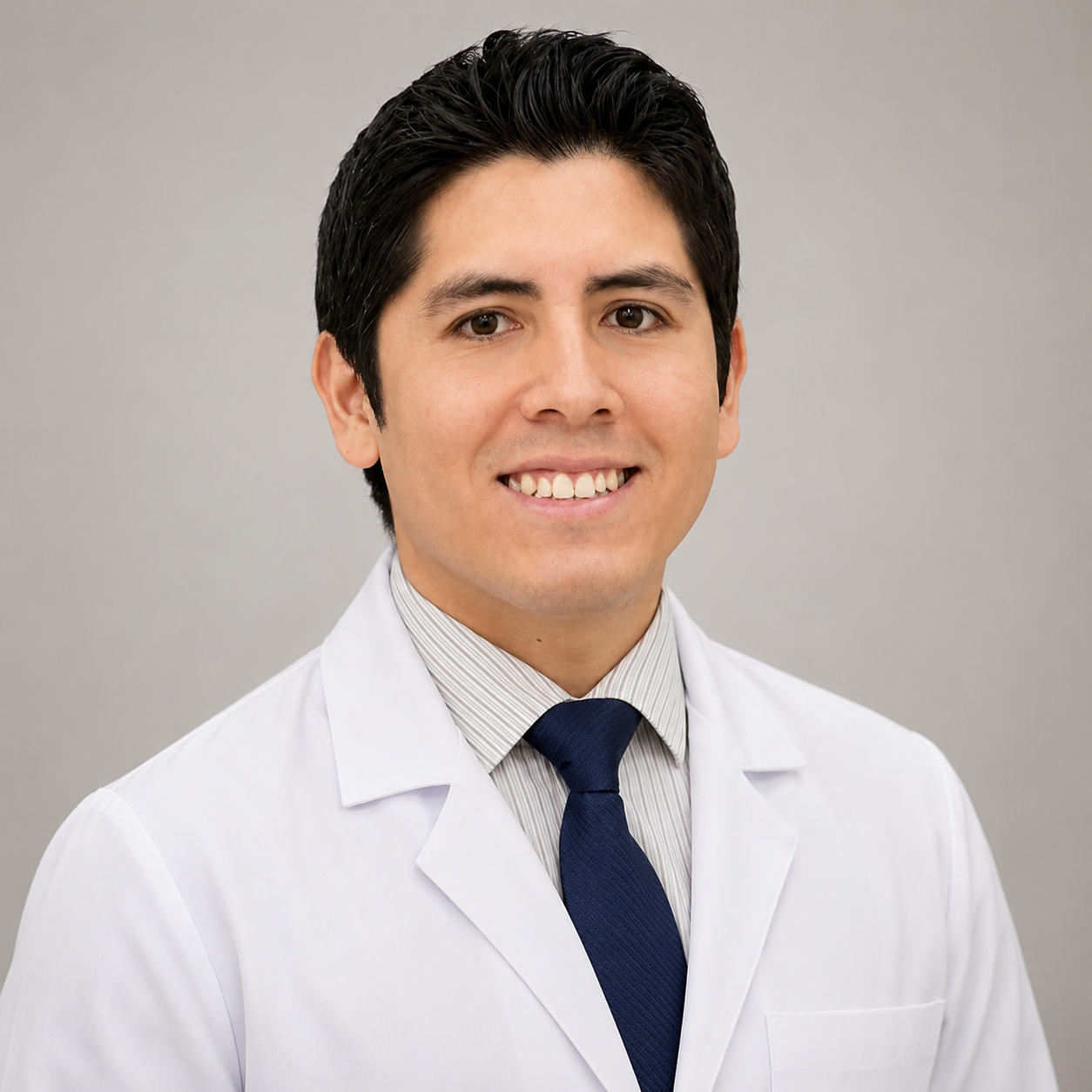
Hernán Coaguila-Llerena, DDS, PhD
Universidad Peruana Cayetano Heredia (UPCH), Lima, Peru
Professional Profile
Hernán Coaguila-Llerena is a dentist, researcher, academic, and scientific reviewer whose work is primarily focused on Endodontics, dental biomaterials, root canal irrigation, biofilm control, biological response, and regenerative endodontic procedures.
His postgraduate scientific training in Brazil includes Master's and doctoral studies in Restorative Dentistry with emphasis in Endodontics at São Paulo State University (UNESP), followed by postdoctoral research. He also completed a second postdoctoral fellowship in Peru, funded by PROCIENCIA.
His international scientific experience also includes research at the University of Minnesota, United States, where his work contributed to the investigation of advanced endodontic irrigation technologies and multispecies biofilm removal.
His research trajectory connects clinically relevant endodontic problems with experimental investigation of biomaterials, irrigating solutions, dentin interactions, microbial biofilms, cytocompatibility, physicochemical properties, imaging methods, and biological responses.
This combination of clinical Endodontics, experimental biomaterials research, microbiological assessment, and biological investigation provides a translational perspective for evaluating technologies intended to improve root canal disinfection, tissue preservation, biological compatibility, and treatment outcomes.
Endodontic Irrigation and Biofilm Control
A major component of Coaguila-Llerena's research concerns the effectiveness and biological behavior of irrigating solutions used during root canal treatment.
His investigations include sodium hypochlorite, calcium hypochlorite, peracetic acid, octenidine, surfactant-modified formulations, and complementary strategies designed to improve cleaning and antimicrobial performance.
These studies address not only microbial reduction, but also dentinal-tubule penetration, smear-layer removal, surface changes, dentin erosion, cytotoxicity, and other material–tissue interactions relevant to clinical Endodontics.
His research has also examined ultrasonic and multisonic irrigation technologies intended to improve the removal of debris and complex multispecies biofilms from anatomical regions that are difficult to reach through conventional syringe irrigation.
This work contributes to a broader understanding of irrigation as a combined chemical, microbiological, physical, and technological component of root canal disinfection.
Advanced Irrigation Technologies
Coaguila-Llerena's work includes investigation and critical evaluation of emerging technologies designed to improve cleaning of the root canal system.
Among these approaches are multisonic systems, ultrasonic activation, and other methods intended to enhance irrigant movement and interaction with complex canal anatomy.
Such technologies are particularly relevant because conventional instrumentation cannot mechanically contact all internal surfaces of the root canal system.
Their evaluation therefore requires integration of microbiological evidence, three-dimensional anatomy, cleaning effectiveness, dentin response, biological safety, and clinically meaningful outcome data.
Dental Biomaterials and Physicochemical Characterization
His scientific activity extends to the characterization and biological assessment of materials used in Endodontics, including bioceramic repair materials, root canal sealers, calcium-silicate-based systems, irrigating formulations, and materials associated with regenerative procedures.
His research examines relationships among composition, physicochemical properties, material stability, biological interaction, and clinical function.
Experimental parameters include solubility, volumetric stability, surface morphology, dentinal penetration, cytotoxicity, biocompatibility, and interaction with mineralized and biological tissues.
This approach supports interpretation of endodontic materials beyond commercial or compositional descriptions, emphasizing the experimental evidence required to understand their biological and clinical performance.
Regenerative Endodontics and Biological Response
Coaguila-Llerena's research also addresses regenerative Endodontics and the biological consequences of chemical agents and materials used during treatment.
His investigations include the effects of irrigating solutions on cytocompatibility, human apical papilla cells, tissue preservation, osteogenic responses, and biological conditions required for regenerative procedures.
This research highlights an important balance: an irrigating solution may provide effective antimicrobial action while simultaneously producing biological effects that must be considered when tissue regeneration is intended.
His work therefore contributes to the transition from a purely antimicrobial understanding of Endodontics toward a broader biological model in which disinfection, biomaterial properties, cellular response, and tissue repair are evaluated together.
Biocompatibility and Biological Evaluation
Biological compatibility is another recurring component of Coaguila-Llerena's scientific work.
His studies have examined the response of human cells and periodontal tissues to endodontic materials and chemical agents, including materials intended for root-end filling, sealing, repair, and regenerative applications.
These investigations help distinguish technical material performance from biological performance: adequate handling or sealing characteristics alone do not establish that a material is biologically appropriate for clinical use.
Imaging and Advanced Experimental Methods
His research incorporates microscopy and three-dimensional imaging methods to investigate root canal anatomy, dentin surfaces, biofilm removal, material penetration, and structural alterations associated with endodontic procedures.
These approaches include scanning electron microscopy and micro-computed tomography, supporting quantitative and morphological evaluation of clinically relevant phenomena that cannot be adequately assessed through conventional observation alone.
Imaging-based analysis also contributes to the evaluation of complex canal anatomy and to understanding how instruments, irrigating technologies, and materials interact with internal dental structures.
International Academic and Scientific Experience
Coaguila-Llerena's academic trajectory connects research environments in Peru, Brazil, and the United States.
His postgraduate and postdoctoral scientific development at UNESP was complemented by international research experience at the University of Minnesota and by academic activities within major Peruvian universities.
He is currently associated with the Universidad Nacional Mayor de San Marcos (UNMSM) and the Universidad Peruana Cayetano Heredia (UPCH), both in Lima, Peru. He is also a professor at Universidad Peruana de Ciencias Aplicadas (UPC), in Lima.
This transnational trajectory has supported collaborations involving endodontic microbiology, biomaterials, irrigation technologies, regenerative procedures, advanced imaging, and clinically oriented dental research.
Scientific Peer Review and Scholarly Evaluation
In addition to his research and academic activities, Coaguila-Llerena has substantial experience evaluating scientific manuscripts for international journals.
His peer-review activity reflects continuing involvement with contemporary research in Endodontics, biomaterials, dental materials, microbiology, regenerative procedures, and related experimental methodologies.
This experience is particularly relevant to editorial decision-making because manuscript evaluation requires critical assessment of methodological coherence, characterization methods, biological models, and the proportionality between experimental findings and clinical claims.
His peer-review trajectory therefore complements his laboratory and clinical research and provides a direct foundation for his responsibilities as an Associate Editor.
Editorial Role at JDHAB
As Associate Editor for Endodontics and Dental Biomaterials at the Journal of Digital Health and Advanced Biomaterials, Hernán Coaguila-Llerena contributes specialized scientific expertise to the evaluation of manuscripts involving endodontic materials, root canal irrigation, biofilm control, antimicrobial strategies, regenerative Endodontics, biological response, imaging, and clinically oriented experimental research.
His editorial perspective is particularly relevant to studies in which claims of technological or clinical effectiveness depend on adequate physicochemical characterization, microbiological evidence, biological testing, imaging methods, and reproducible experimental design.
His expertise also supports critical assessment of studies in which laboratory findings are translated toward clinical conclusions, helping distinguish experimental performance from evidence sufficient to support therapeutic claims.
His extensive experience in peer review further contributes to manuscript assessment, reviewer selection, interpretation of scientific evidence, and the maintenance of appropriate standards for methodological and scientific quality.
His academic trajectory across Peru, Brazil, and the United States also strengthens the geographic and scientific diversity of JDHAB's decision-making editorial structure.
Research and Scholarly Focus
Selected Scientific Contributions
Contribution to the JDHAB Scientific Scope
Coaguila-Llerena's scientific profile strengthens the clinical and dental-biomaterials dimensions of JDHAB by connecting experimental characterization with clinically relevant biological and therapeutic questions.
His expertise is particularly relevant to manuscripts involving endodontic biomaterials, irrigation technologies, antimicrobial systems, multispecies biofilms, dentin–material interactions, bioceramic materials, regenerative procedures, microscopy, advanced imaging, and biological evaluation.
His research also contributes to the journal's technology-oriented scope through the evaluation of advanced irrigation systems and experimental approaches designed to improve root canal disinfection and treatment predictability.
His experience in biological testing helps maintain an important distinction between physicochemical performance and actual biological compatibility, particularly when novel materials are proposed for clinical use.
His work exemplifies a translational principle central to JDHAB: material or technological innovation should be supported not only by technical characterization, but also by biological evidence, methodological rigor, reproducibility, and clinically meaningful interpretation.
Finally, his academic trajectory across Peru, Brazil, and the United States contributes international scientific experience to the journal's decision-making editorial structure.