JDHAB house style for clear, reproducible visual material, combining international editorial practice with Brazilian standardization.
The Journal of Digital Health and Advanced Biomaterials (JDHAB) uses selected ABNT principles for the presentation, identification and source attribution of tables and figures. ABNT informs this house style; it is not treated as a universal international citation system.
For biomedical references and in-text citations, JDHAB follows Vancouver/NLM. When requirements differ, the current journal template and instructions for the article type prevail.
Core rules
Tables
Build editable, self-explanatory tables in Word or LaTeX; do not submit screenshots. Number and cite each table in the text. Place its concise identification and title above; put source and explanatory notes immediately below. Define abbreviations, units, denominators, tests and exclusions. Use restrained rules and repeat headings when a table continues.
Figures and illustrations
Use the most precise designation (figure, graph, photograph, map or diagram), number consecutively and cite before first appearance. Place identification and title above the image. Keep the source immediately below, followed by any legend or note. Make panels, symbols, scales, arrows, units and processing independently interpretable. For comparable panels, use consistent displayed dimensions; preserve the original aspect ratio and all relevant content.
Image quality and integrity
Ensure readability at final size; raster images should generally be at least 300 dpi. Keep comparable panels at a consistent size and alignment, without stretching or enlarging beyond adequate resolution. Do not selectively alter, remove, duplicate or obscure scientifically relevant content. Disclose relevant processing and secure permissions, licences and consent when required.
Production and PDF review
Keep title, visual, source and notes together as one unit. Wide elements may span the text width, with columns resuming below or on the next page. Check the rendered PDF for legibility, spacing, page breaks, detached notes and blank areas.
Examples of figure units
Each example shows its title above the image and its source immediately below. Cite each figure in the manuscript text before it appears.
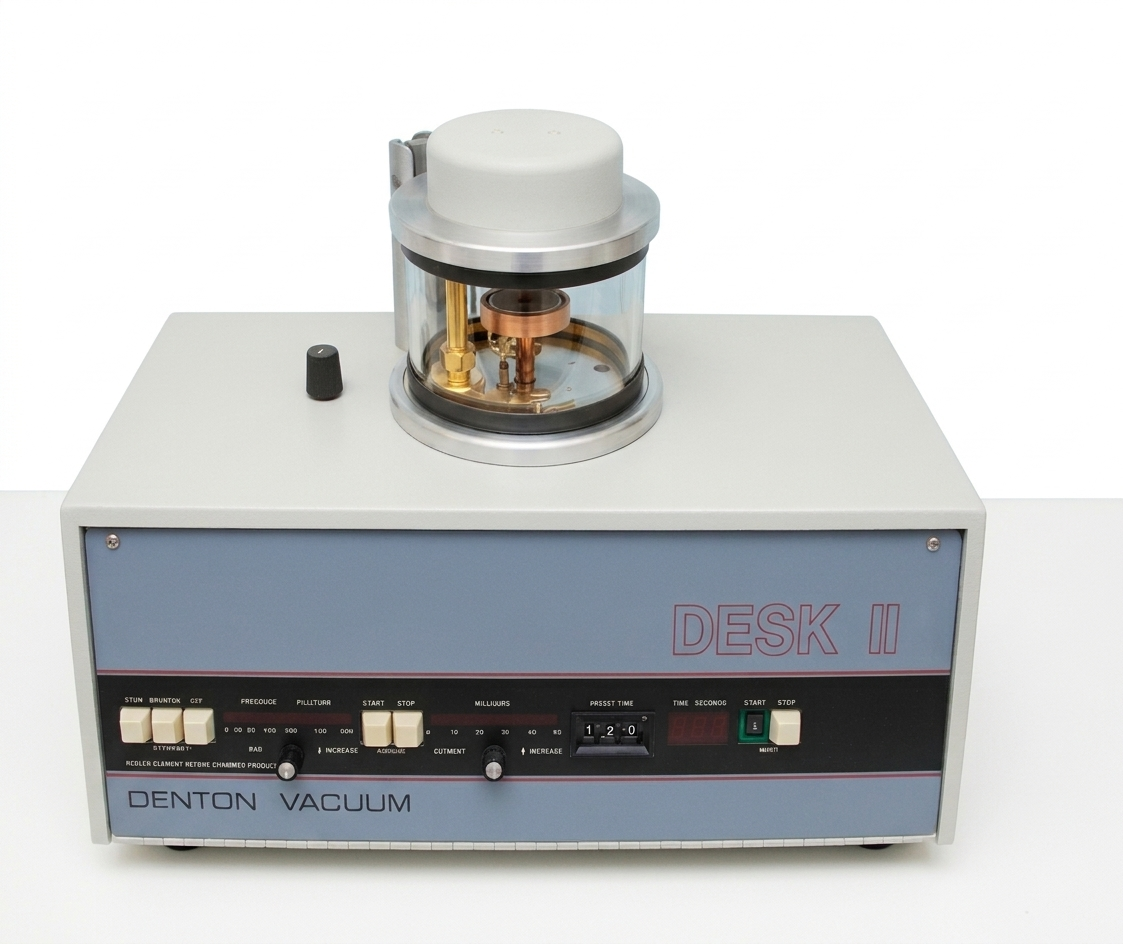
Figure 1 — Sputter-coating instrument
Source: Photograph by Lisandro Gonçalves, FCAV/UNESP, Jaboticabal campus, 2007.
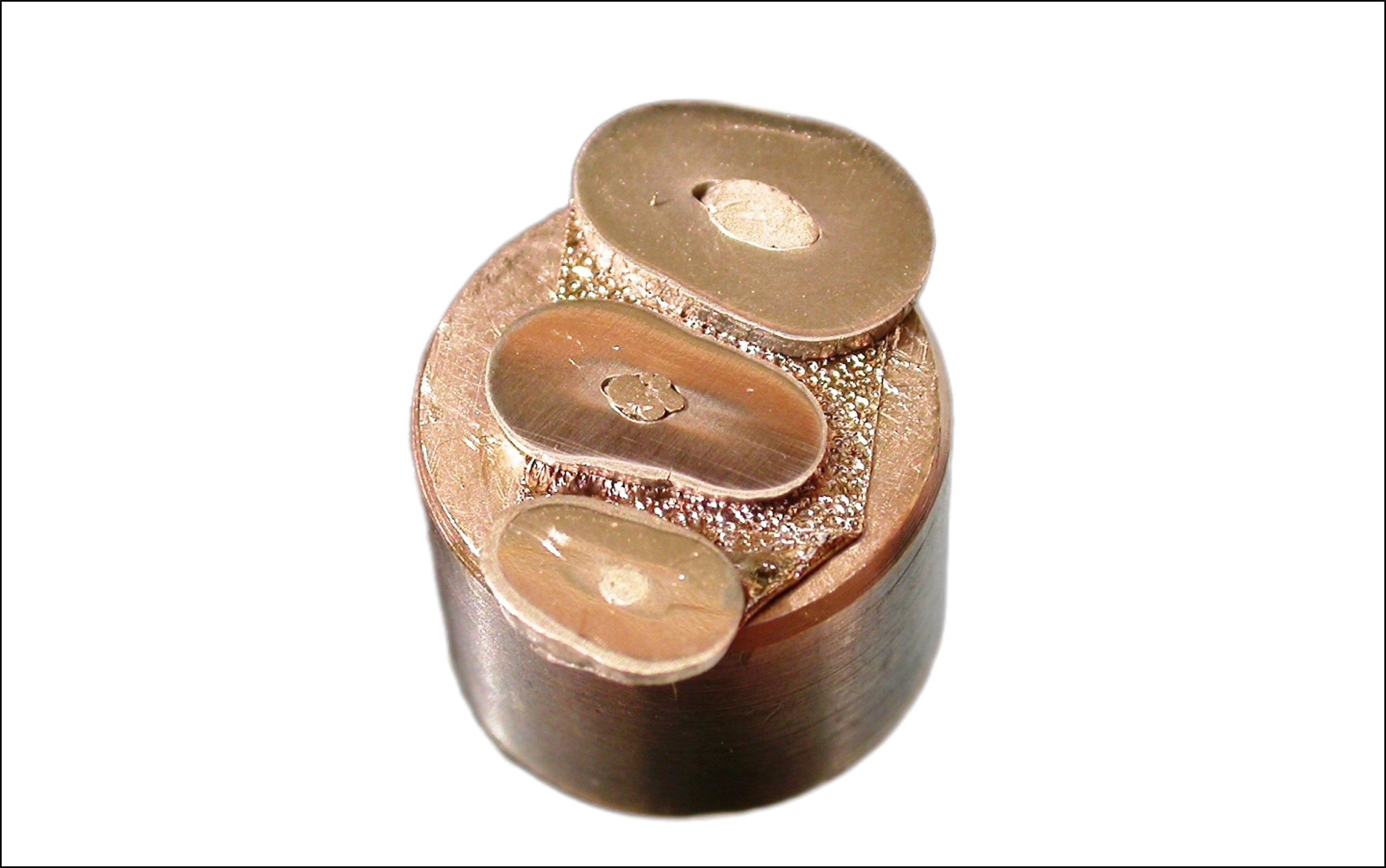
Figure 2 — Specimens mounted on a metal stub
Source: Photograph by Lisandro Gonçalves, FCAV/UNESP, Jaboticabal campus, 2007.
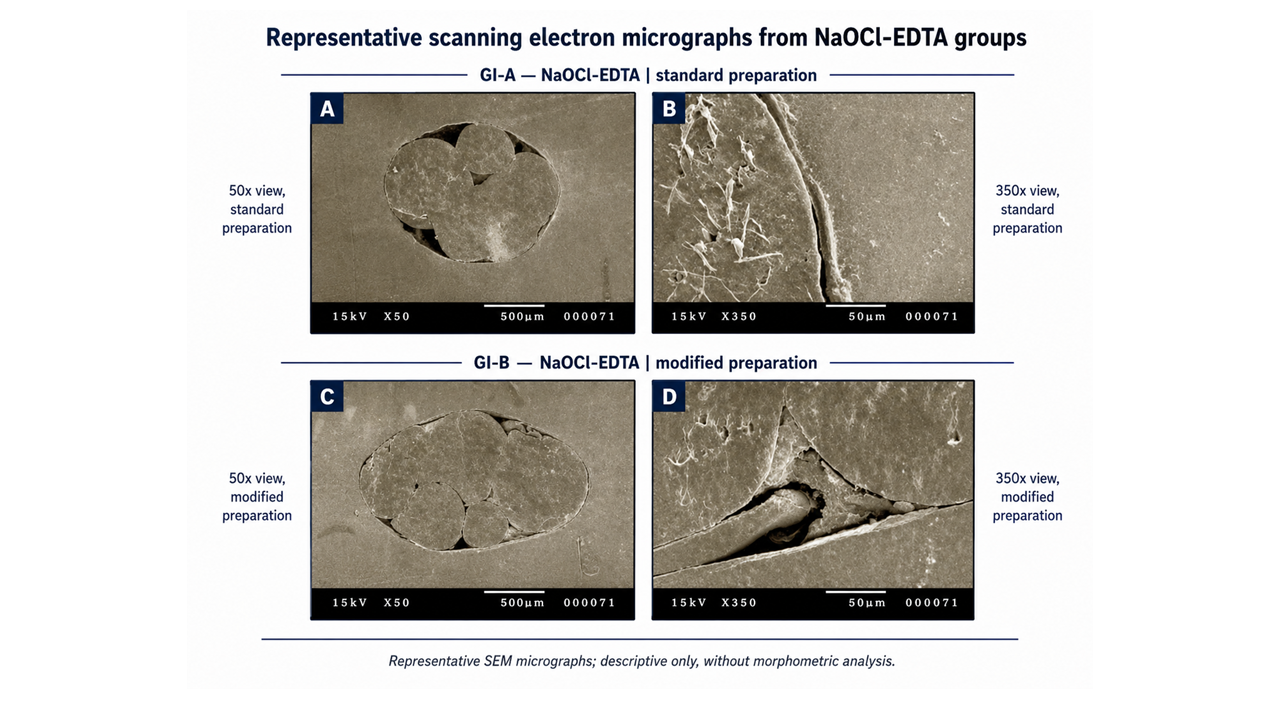
Figure 3 — Representative scanning electron micrographs
Source: Lisandro Gonçalves, research archive; micrographs acquired at FCAV/UNESP, Jaboticabal, in 2007. Research associated with the author’s master’s dissertation (Universidade de Ribeirão Preto, 2008). Acknowledgment: Cláudia Maria T. Fiorillo.
Note: NaOCl–EDTA groups. A and B: standard preparation; C and D: modified preparation. A and C: 50×, scale bars 500 μm; B and D: 350×, scale bars 50 μm. These descriptive images were not paired with individual mechanical outcomes. Related research: Gonçalves et al., Microsc Res Tech. 2014;77:446–452. https://doi.org/10.1002/jemt.22365.
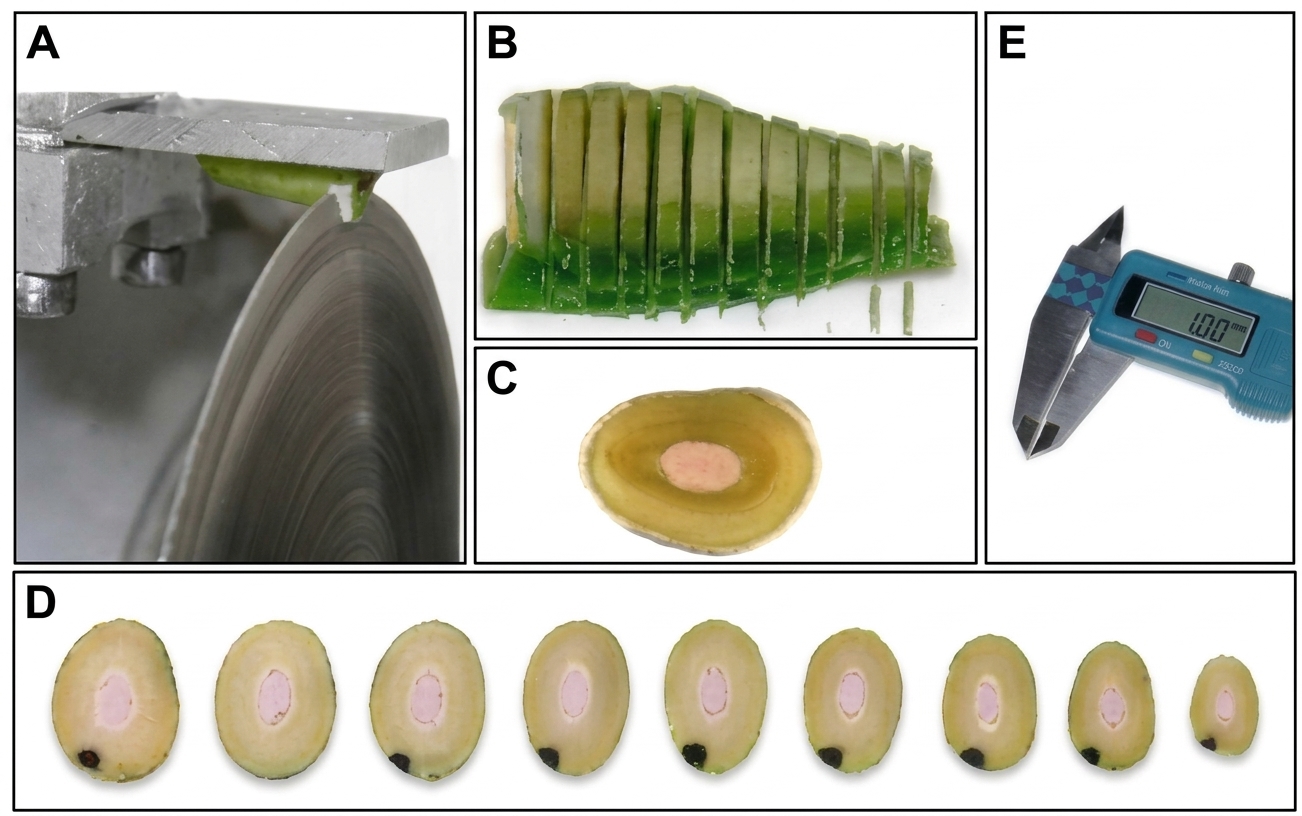
Figure 4 — Specimen preparation and sectioning
Source: Lisandro Gonçalves, research archive. Related dissertation: Gonçalves L. Influência de diferentes substâncias auxiliares do preparo biomecânico na força de união do sistema obturador Epiphany SE preparado com solvente resinoso à dentina intra-radicular [master’s dissertation]. Ribeirão Preto: Universidade de Ribeirão Preto; 2008.
Note: A, sectioning in the cutting machine; B, serial root sections; C, representative transverse section; D, nine slices obtained from one root; E, verification of approximately 1.0-mm slice thickness using a digital caliper.
Reference framework
This house style is informed by ABNT NBR 14724 (academic presentation), NBR 10520 (citations and attribution), NBR 6023 (references where institutionally required), NBR 6022 (scientific-periodical articles), and IBGE guidance for tabular presentation. The applicable edition and the journal’s current template should be checked when preparing a manuscript.
For English text use Figure, Table and Source; for Portuguese text use Figura, Tabela and Fonte. For adapted or reproduced material, identify the original source and any required permission or licence.
Author’s final check
Before submission, confirm that the visual is cited and numbered, its title is above it, its source and notes are attached, every panel and scale is explained, and the final PDF preserves legibility and image integrity.
Editorial foundation
This policy was also informed by: Curty MG, Pestana MC, Gonçalves L. Construção do conhecimento científico: elaboração de projetos e redação de artigos. Scientexa Editora; 2026. doi:10.5281/zenodo.22907821.