
Marco Aurélio Schüler de Oliveira, PhD
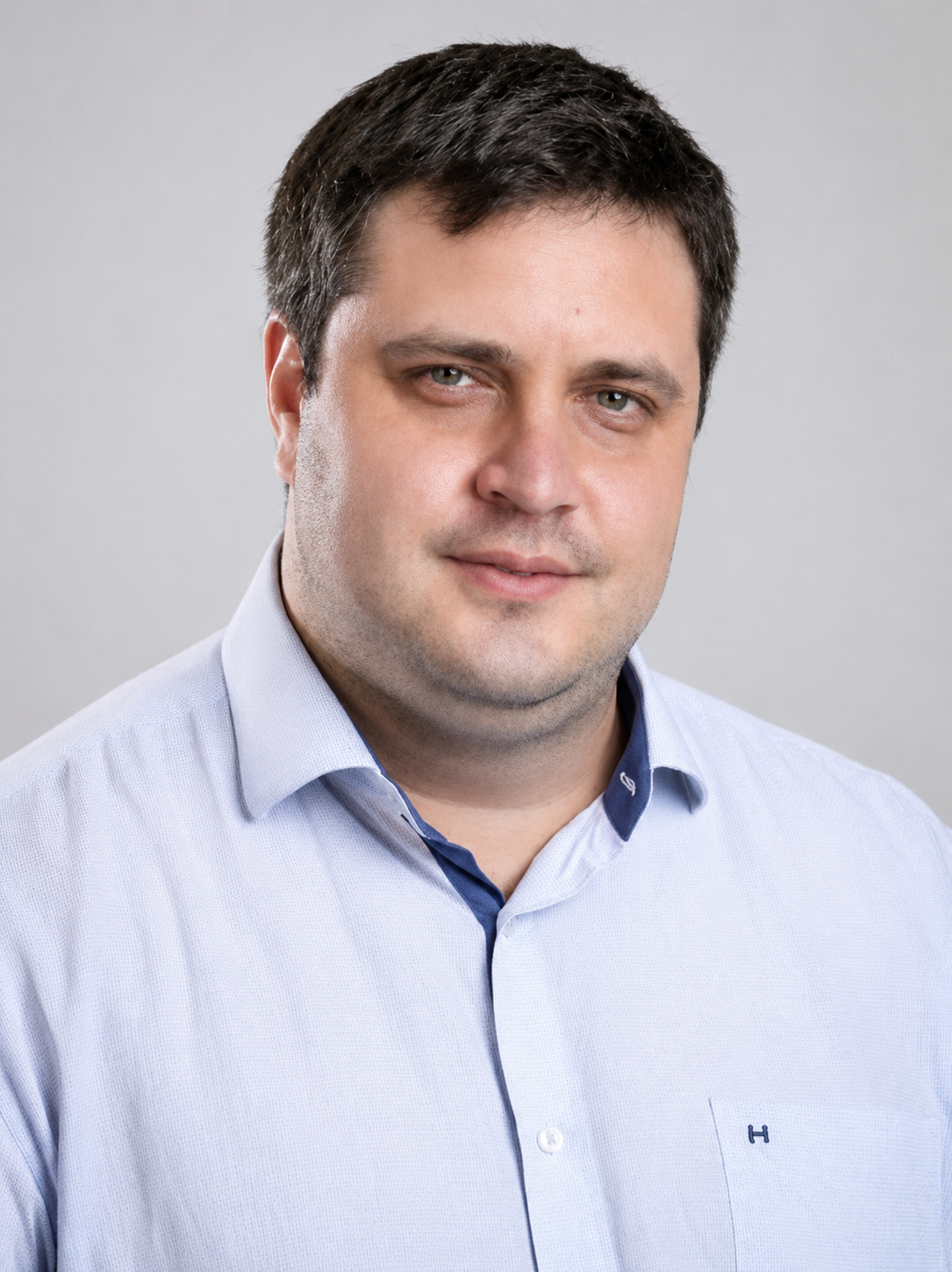
Marco Aurélio Schüler de Oliveira, PhD
State University of Maringá (UEM), Maringá, Paraná, Brazil
Professional Profile
Marco Aurélio Schüler de Oliveira is a biologist, biochemist, professor, and researcher whose scientific trajectory is centered on molecular biology, biochemistry, protein structure and function, enzymology, microbial metabolism, and biotechnology.
His academic training in Biological Sciences and Biochemistry provides a strong molecular foundation for the investigation of biological systems, particularly prokaryotic organisms and the proteins, enzymes, and regulatory mechanisms involved in cellular metabolism and molecular control.
A central component of his research concerns the molecular biology of prokaryotes, including regulatory mechanisms associated with nitrogen metabolism and biological nitrogen fixation. His work combines molecular biology, protein biochemistry, structural characterization, enzymology, and functional analysis to investigate how microorganisms regulate essential metabolic processes.
His scientific activities also extend to molecular biotechnology and recombinant protein production, connecting fundamental biological investigation with the development and characterization of enzymes and other biological macromolecules with technological potential.
Prokaryotic Molecular Biology and Nitrogen Metabolism
A major component of Oliveira's scientific trajectory is the investigation of molecular and biochemical regulatory mechanisms in prokaryotic systems, particularly those associated with nitrogen sensing, assimilation, metabolism, and biological nitrogen fixation.
His research includes studies involving diazotrophic bacteria such as Herbaspirillum seropedicae and regulatory proteins involved in cellular responses to nitrogen availability. These investigations integrate molecular biology, protein biochemistry, structural analysis, and functional characterization.
Proteins associated with nitrogen regulation, including members of PII-related regulatory systems, have provided experimental models for understanding how microorganisms integrate environmental signals with metabolic control.
Protein Structure, Function and Molecular Interactions
Oliveira's research experience includes detailed investigation of protein structure, conformational behavior, molecular recognition, ligand interactions, and the relationship between macromolecular structure and biological function.
His studies of bacterial regulatory proteins have incorporated complementary biochemical, molecular, and biophysical techniques, including protein purification, chromatography, circular dichroism, calorimetric analysis, electrophoretic interaction assays, structural modeling, and X-ray-based structural approaches.
This structure–function perspective is particularly relevant to biotechnology and biomedical research, where the activity of proteins and enzymes depends directly on molecular organization, environmental conditions, binding interactions, and structural stability.
Molecular Biotechnology and Recombinant Enzymes
Oliveira's research also encompasses molecular biotechnology, recombinant protein production, and biochemical characterization of enzymes and other biologically active macromolecules.
His experimental activities include gene cloning and recombinant expression, protein purification, enzymatic kinetics, substrate specificity, physicochemical stability, structural and conformational analysis, sequence interpretation, and functional characterization.
These approaches support the production and investigation of enzymes with potential applications in biotechnology, food science, agriculture, bioprocessing, and other biological and industrial systems.
Biological Nitrogen Fixation and Sustainable Biotechnology
Biological nitrogen fixation represents an important interface between fundamental molecular biology and sustainable biotechnology. Diazotrophic microorganisms are capable of converting atmospheric nitrogen into biologically available forms through highly regulated biochemical systems.
Oliveira's research on bacterial nitrogen metabolism contributes to understanding the regulatory networks that control this process, including the molecular mechanisms by which microorganisms sense nitrogen availability and adjust metabolic pathways.
Better understanding of these molecular mechanisms has broader relevance to biological approaches for sustainable agriculture and microbial biotechnology.
Academic and Research Leadership
In addition to his laboratory research, Oliveira contributes to undergraduate and postgraduate scientific education at the State University of Maringá. His academic activities involve teaching, research supervision, scientific training, and participation in postgraduate programs in Biochemistry and Biological Sciences.
Through supervision and collaborative research, he contributes to the training of master's and doctoral researchers working in molecular biology, biochemistry, biotechnology, enzymology, microbial physiology, and related areas.
Molecular Research Infrastructure
His scientific activities are closely connected with molecular and biochemical research infrastructure at the State University of Maringá.
At the Molecular Biochemistry Laboratory, research activities include recombinant protein production, enzyme purification, biochemical characterization, molecular analysis, and the investigation of structure–function relationships in biological macromolecules.
His research environment also provides access to technologies supporting molecular and cellular investigation, including polymerase chain reaction, real-time PCR, DNA analysis, electrophoretic methods, spectrophotometry, chromatography, protein analysis, and other complementary biochemical and molecular techniques.
Editorial Role at JDHAB
As Associate Editor for Molecular Biology and Biotechnology at the Journal of Digital Health and Advanced Biomaterials, Marco Aurélio Schüler de Oliveira contributes specialized expertise to the evaluation of manuscripts involving molecular mechanisms, proteins, enzymes, microorganisms, recombinant technologies, biotechnology, and biologically active systems.
His editorial perspective is particularly relevant to studies in which claims regarding biological activity, molecular function, or biomedical performance require appropriate biochemical, molecular, enzymatic, or cellular evidence.
His expertise also strengthens the evaluation of research at the interface between biomaterials and biological systems, particularly when material performance depends on protein interactions, enzymatic activity, microbial response, molecular mechanisms, or biotechnology-based processes.
Research and Scholarly Focus
Selected Scientific Contributions
Contribution to the JDHAB Scientific Scope
Oliveira's scientific profile broadens the molecular and biological foundation of JDHAB by connecting molecular biology, biochemistry, protein science, enzymology, microbial physiology, and biotechnology with biomedical and technological research.
His expertise is especially relevant to manuscripts involving biologically active materials, proteins, enzymes, microbial systems, recombinant technologies, molecular mechanisms, biointerfaces, and studies in which biological performance requires molecular or biochemical validation.
His background in protein structure and function also contributes to the evaluation of studies involving biomaterial–protein interactions, biological coatings, enzymatically active materials, biosensors, antimicrobial technologies, and other systems in which molecular interactions influence biomedical performance.