
Mariucha Ramella Marcon Nemer, DDS, MSc
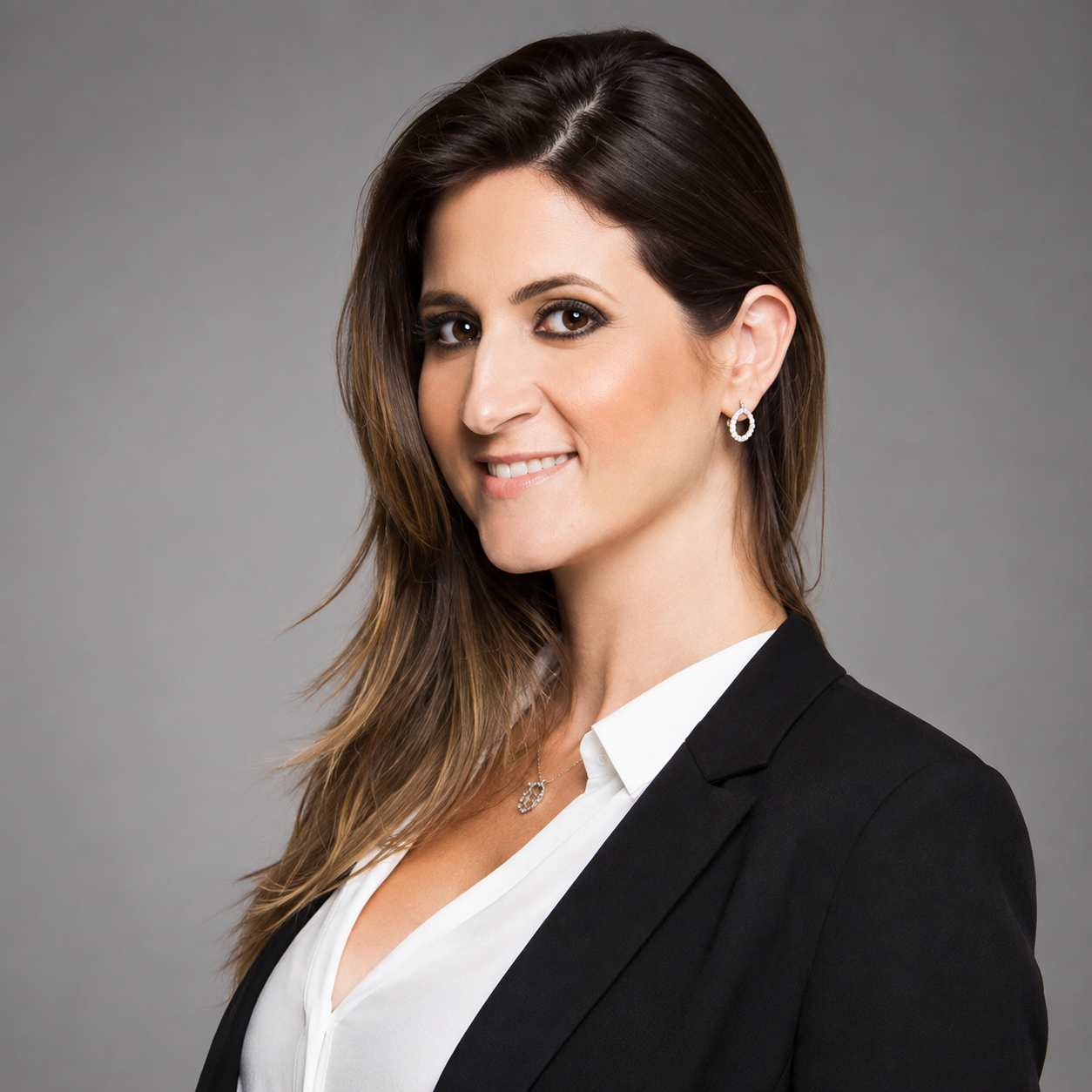
Mariucha Ramella Marcon Nemer, DDS, MSc
Professional Profile
Mariucha Ramella Marcon Nemer is a dentist, researcher, and clinical professional whose academic trajectory connects restorative dentistry, dental esthetics, clinical biomaterials, orofacial harmonization, forensic odontology, professional responsibility, and ethical and legal aspects of dental practice.
She earned her dental degree and Master's degree in Integrated Dentistry at the State University of Maringá (UEM) and completed postgraduate training in Restorative Dentistry in Bauru, São Paulo.
Her scientific trajectory is notably interdisciplinary. It encompasses restorative and esthetic treatment, digital smile planning, odontogenic pathology, ethical and legal responsibilities in Dentistry, dental documentation, professional conduct, protection of vulnerable populations, and contemporary injectable biomaterials.
More recently, her scholarly work has expanded toward the interpretation of hyaluronic acid fillers as materially heterogeneous injectable biomaterials, integrating network architecture, rheology, physicochemical characterization, clinical behavior, and enzymatic reversibility.
This combination of clinical practice, biomaterials knowledge, legal and ethical awareness, and research experience provides a multidisciplinary perspective particularly relevant to the scientific review of manuscripts submitted to the Journal of Digital Health and Advanced Biomaterials (JDHAB).
Restorative Dentistry and Clinical Esthetics
Restorative Dentistry represents an important foundation of Nemer's clinical and academic trajectory.
Her postgraduate training includes restorative and esthetic dentistry, with attention to preservation of dental tissues, restorative materials, pulpal protection, treatment planning, and the relationship between functional and esthetic outcomes.
Her scientific production also includes digital treatment-planning strategies associated with ceramic restorations, demonstrating an interest in integrating clinical diagnosis, digital visualization, restorative planning, and esthetic rehabilitation.
This background provides experience relevant to manuscripts in which restorative success depends on appropriate diagnosis, material selection, substrate conditions, digital planning, and clinically meaningful treatment outcomes.
Digital Smile Planning and Restorative Workflows
Nemer's clinical research includes the use of digital planning in restorative and esthetic Dentistry.
Digital smile planning can support communication between diagnostic assessment, treatment design, restorative procedures, laboratory workflow, and final clinical evaluation.
Her work involving correction of the anterior occlusal plane with ceramic laminates illustrates the integration of digital planning with conventional restorative principles rather than the use of digital technology as an isolated visual resource.
Injectable Biomaterials and Orofacial Harmonization
Nemer's more recent scientific work extends into orofacial harmonization and injectable biomaterials, particularly hyaluronic acid fillers.
Rather than treating hyaluronic acid fillers as a homogeneous product category, her work approaches these materials through a structure–property–processing–performance framework.
This perspective considers differences in crosslinking strategy, molecular-weight composition, gel-phase organization, cohesivity, viscoelastic behavior, and response to hyaluronidase.
Such differences are clinically relevant because injectable fillers with similar indications may demonstrate non-equivalent behavior in tissue integration, projection, mechanical response, reversibility, and degradation.
Her work also emphasizes the importance of transparent experimental conditions when comparing fillers, including enzyme formulation, dose, dilution, exposure time, analytical endpoint, and measurement method.
This approach places orofacial harmonization within the broader scientific field of translational biomaterials rather than limiting its evaluation to injection technique or commercial product characteristics.
Hyaluronic Acid Fillers as Biomaterial Systems
In 2026, Nemer authored a critical narrative review examining hyaluronic acid fillers as injectable biomaterial systems.
The review connects network architecture, rheological behavior, physicochemical characteristics, processing, and hyaluronidase-mediated degradation.
A central conclusion is that enzymatic reversibility should not be interpreted as a generic property shared uniformly by all hyaluronic acid fillers.
Instead, response to hyaluronidase depends on the material system itself and on the experimental conditions under which degradation is evaluated.
The work also highlights dynamic rheology, microstructural characterization, digitally assisted metrology, and standardized comparative workflows as important directions for improving reproducibility and interpretability in injectable-biomaterials research.
Forensic Odontology and Professional Responsibility
Another established component of Nemer's academic trajectory involves forensic odontology, professional responsibility, dental documentation, and the ethical and legal dimensions of clinical practice.
Her research in this area has examined how dentists understand professional obligations, informed consent, record keeping, treatment alternatives, clinical documentation, professional conduct, and the possibility of civil, criminal, ethical, or consumer-related disputes.
This field is particularly important because clinical quality is not determined exclusively by technical execution. Appropriate information, documentation, informed decision-making, professional communication, and compliance with ethical and legal responsibilities are also components of safe healthcare.
Her experience in this area provides a useful perspective for assessing manuscripts involving clinical governance, documentation, professional responsibility, consent, ethical practice, and patient protection.
Ethical and Legal Aspects of Implant Dentistry
Nemer participated in research investigating ethical and legal knowledge among dentists performing implant procedures.
The study evaluated professional profile, professional conduct, procedural experience, clinical infrastructure, ethical and legal knowledge, and dental documentation.
The results reinforced the importance of complete records, informed consent, treatment alternatives, contractual documentation, and continued awareness of professional responsibilities in implant Dentistry.
Health, Rights and Vulnerable Populations
Her interdisciplinary research also extends beyond conventional clinical Dentistry to questions involving health, human rights, legal responsibility, and vulnerable populations.
Nemer participated in a population-based investigation of reported violations of children's and adolescents' rights in Paraná, Brazil.
The study used records from the Information System for Childhood and Adolescence (SIPIA) covering the period from 2009 to 2014 and analyzed patterns according to categories of violated rights, age, gender, and characteristics of the reported violations.
This line of investigation reflects the broader role of health professionals in recognizing, documenting, and responding appropriately to situations involving violence, legal protection, and human rights.
Scientific Reviewer Role at JDHAB
As a Scientific Reviewer for the 2026 review cycle of the Journal of Digital Health and Advanced Biomaterials, Mariucha Ramella Marcon Nemer contributes subject-matter expertise to the independent peer-review process.
Her review profile is especially relevant to manuscripts involving clinical Dentistry, restorative and esthetic procedures, injectable biomaterials, hyaluronic acid fillers, orofacial harmonization, digital restorative planning, forensic odontology, professional responsibility, and ethical or legal aspects of dental care.
Her multidisciplinary experience also supports the assessment of whether clinical claims are appropriately connected to material properties, methodology, patient safety, professional responsibility, and the strength of the evidence presented.
Scientific reviewers provide independent subject-matter assessment and recommendations to the journal's scientific editors. Reviewer recognition does not constitute responsibility for final editorial decisions.
Reviewer assignments are managed according to expertise and conflict-of-interest considerations. Authors do not participate in the review or editorial decision concerning their own manuscripts.
Research and Scholarly Focus
Selected Scientific Contributions
Contribution to the JDHAB Scientific Scope
Nemer's profile contributes to JDHAB through an interdisciplinary connection among clinical Dentistry, biomaterials, digital restorative workflows, patient safety, and professional responsibility.
Her contemporary work on hyaluronic acid fillers provides direct relevance to the journal's Advanced Biomaterials pillar by approaching injectable products through network architecture, rheology, physicochemical characterization, and degradation behavior.
Her restorative background contributes clinical expertise in esthetics, ceramic rehabilitation, digital smile planning, and treatment-oriented interpretation of material performance.
Her experience in forensic odontology, legal responsibility, dental documentation, informed consent, and professional ethics provides an additional patient-safety and research-integrity perspective.
Together, these areas support critical peer review of research in which material innovation, clinical application, digital workflows, professional conduct, and patient protection must be evaluated as interconnected components rather than isolated topics.
Her annual recognition as a Scientific Reviewer documents peer-review service while preserving a clear distinction between external scientific assessment and the standing editorial decision-making structure of JDHAB.