
Shelyn Akari Yamakami, DDS, MSc, PhD
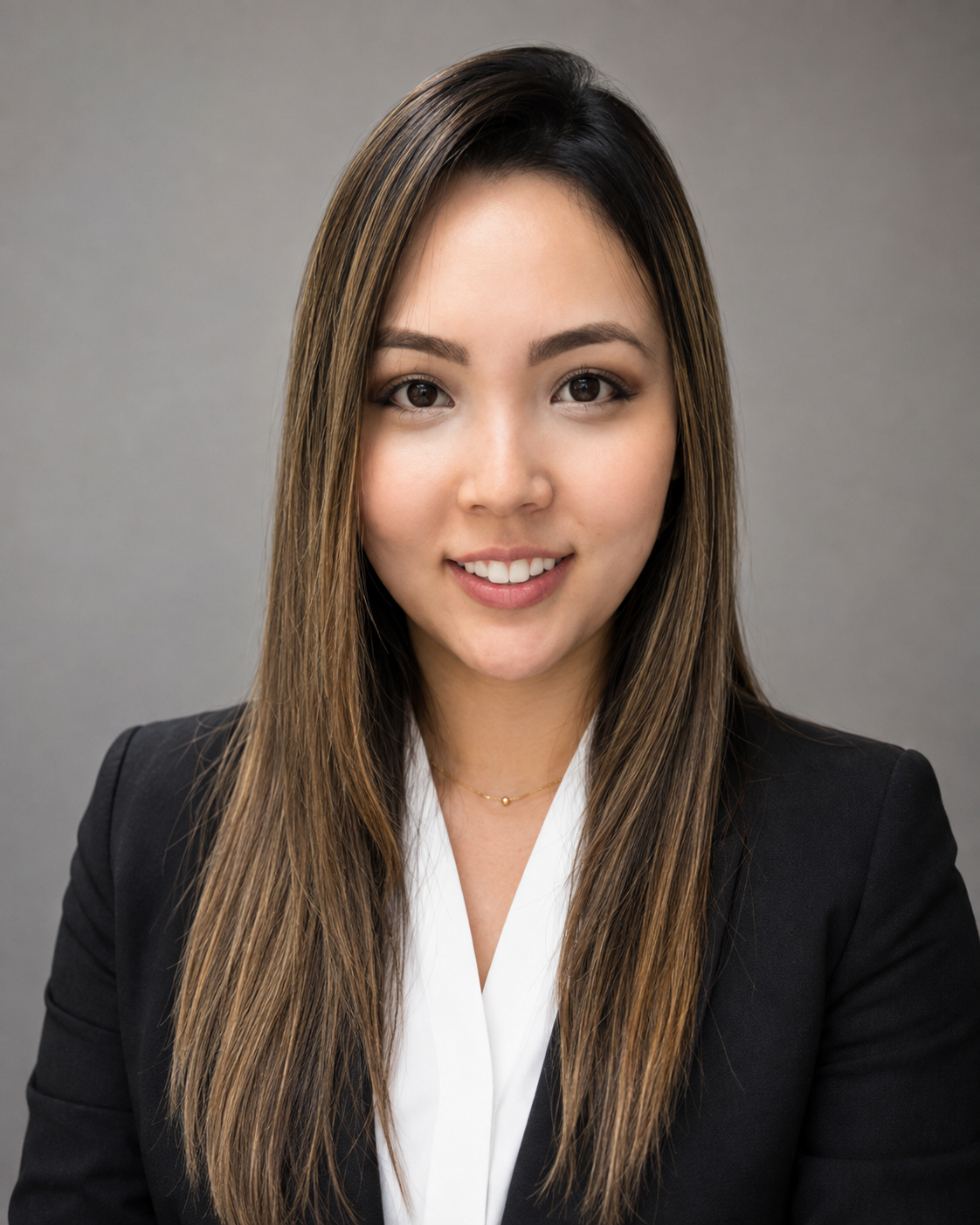
Shelyn Akari Yamakami, DDS, MSc, PhD
Cannon Society Director
Harvard School of Dental Medicine, Boston, Massachusetts, USA
Professional Profile
Shelyn Akari Yamakami is a dentist, researcher, educator, and academic leader whose scientific and professional trajectory connects restorative dentistry, dental biomaterials, minimally invasive therapies, clinical innovation, digital technologies, and dental education.
She is Assistant Professor of Restorative Dentistry and Biomaterials Sciences at Harvard School of Dental Medicine (HSDM), where her work integrates clinical dentistry, biomaterials science, educational innovation, and emerging technologies.
Her academic training began at the State University of Maringá, Brazil, where she earned her dental and Master's degrees. She subsequently completed doctoral training at the University of São Paulo and, during her doctoral studies, served as a research scholar in the Department of Restorative Dentistry and Biomaterials Sciences at Harvard School of Dental Medicine.
Her research trajectory has addressed restorative materials, glass ionomer cements, material–dentin interactions, dental demineralization, minimally invasive treatment strategies, experimental remineralizing materials, digital educational technologies, and evidence-informed clinical decision-making.
More recently, her academic work has expanded toward the integration of artificial intelligence and emerging technologies into dental education and clinical practice.
Academic Leadership at Harvard School of Dental Medicine
At Harvard School of Dental Medicine, Yamakami serves as Assistant Professor of Restorative Dentistry and Biomaterials Sciences and as Director of the Cannon Society.
Her faculty role integrates restorative dentistry, biomaterials, clinical education, research, and innovation within one of HSDM's principal clinical academic departments.
As Cannon Society Director, she also participates in the academic advising structure that supports dental students throughout their education, providing longitudinal guidance related to academic development, clinical progress, professional goals, research interests, and career planning.
Restorative Dentistry and Minimally Invasive Care
Restorative Dentistry constitutes the central clinical dimension of Yamakami's academic work.
Her research and educational activities address the preservation of dental tissues, restorative decision-making, management of demineralized structures, adhesive and restorative materials, and treatment strategies designed to balance biological preservation with functional restoration.
A recurring principle in this work is that restorative intervention should be guided by the biological condition of the dental substrate and by the evidence supporting the proposed material or treatment strategy.
Dental Biomaterials and Material–Tissue Interactions
Dental biomaterials represent a major component of Yamakami's scientific trajectory.
Her research has addressed materials used in restorative dentistry, including glass ionomer cements and experimental polymeric or biopolymer-based systems designed to interact with demineralized dental tissues.
Such investigations require consideration of chemical composition, material structure, interaction with enamel or dentin, adhesion, ion exchange, remineralization, mechanical behavior, and biological context.
Demineralization, Remineralization and Biomaterial-Based Therapies
Another important dimension of Yamakami's work concerns dental demineralization and strategies intended to preserve or restore mineralized dental tissues.
Her research includes experimental approaches using chitosan-based materials and other biomaterial systems designed to interact with demineralized enamel or dentin.
These studies examine the possibility of combining polymeric or bioactive materials with minimally invasive treatment concepts, while requiring appropriate experimental validation before therapeutic effectiveness can be inferred.
Digital Dentistry, AI and Educational Technology
Digital technologies represent another important component of Yamakami's academic trajectory, particularly at the interface between clinical training and dental education.
Her research has investigated three-dimensional digital technologies as educational tools in preclinical dentistry, where digital visualization and interactive environments may complement conventional simulation and laboratory teaching.
Her current educational work also includes the integration of artificial intelligence and emerging technologies into dental education and clinical training, emphasizing professional judgment, patient care, learning objectives, and responsible implementation.
Clinical Innovation and Intellectual Property
Yamakami's academic work also includes the translation of dental-materials research toward technological innovation.
Academic Recognition and Educational Innovation
Advisory Role at JDHAB
As an International Advisory Board Member for Restorative Dentistry, Biomaterials and Clinical Innovation at the Journal of Digital Health and Advanced Biomaterials, Shelyn Akari Yamakami contributes an international academic perspective spanning restorative dentistry, dental biomaterials, minimally invasive therapies, clinical innovation, educational technology, and artificial intelligence in healthcare.
Her scientific background is particularly relevant to the journal's Advanced Biomaterials pillar, including studies involving material–dentin interactions, restorative materials, experimental remineralizing systems, dental demineralization, and biologically oriented restorative care.
Her expertise in digital and educational technologies also supports JDHAB's Digital Health dimension, particularly where technological innovation intersects clinical training, healthcare education, artificial intelligence, and professional decision-making.
Research and Scholarly Focus
Selected Scientific Contributions
Contribution to the JDHAB Scientific Scope
Yamakami's profile provides an unusually comprehensive connection among the three dimensions that JDHAB seeks to integrate: advanced biomaterials, clinically meaningful application, and emerging digital technologies.
Her biomaterials research contributes expertise in restorative materials, material–tissue interactions, demineralization, remineralization, and experimental systems designed to preserve dental structures.
Her work in digital education and artificial intelligence adds a complementary perspective on how emerging technologies can be introduced into healthcare training and practice without separating technological innovation from professional judgment and patient-centered care.
Her current academic leadership at Harvard School of Dental Medicine also strengthens the international dimension of JDHAB.